


ARCC Mentoring Program
Adapted from the Matrix Mentoring Model (MMM) used within the University of Utah CTSA program
ARCC seeks to expand mentoring to new investigators to the field. Including graduate students, postdocs and early-career faculty.
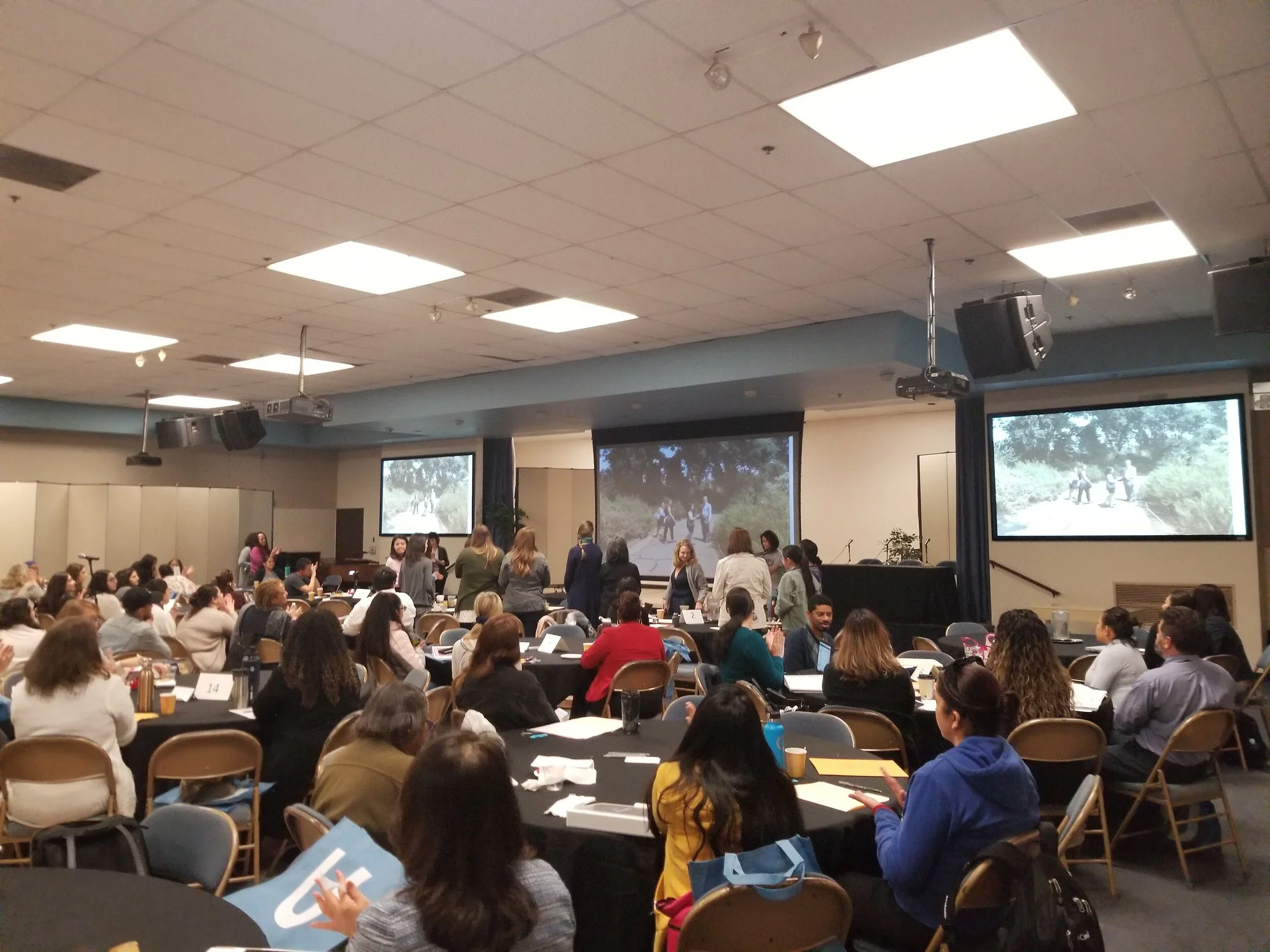
5 Levels of Mentorship
Five levels overlap and interact to create a holistic framework
Senior Mentors
Senior mentors oversee a small number of junior faculty scholars. They are each experience, grant-funded investigators with additional mentorship training.
Scientific Mentors
A team of more experienced faculty or community members that collaborate with their junior faculty scholar. One of these team members is a primary mentor that is met with often, usually once a week.
Peer Mentors
Peer mentoring groups are developed through a training program that focuses on improving knowledge and skills in scientific career development. The training program also serves as a chance for peers to meet and support each other.
Staff Mentors
Non-faculty staff members such as individuals with expertise in grants and contacts, data analysis, data management, and similar specialized skills. Participating staff members join all senior meetings and help teach the peer mentor groups.
Self-Mentorship
A central component of the MMM model is self-mentorship skills. Helping investigators engage in self-reflection, strategic planning tools and gain an understanding of their priorities.
Participating Sites



University of California, Los Angeles
Center for Autism Research and Treatment
Primary Investigators: Connie Kasari, Amanda Gulsrud
University of North Carolina at Chapel Hill
Primary Investigator: Brian Boyd
Drexel University
Primary Investigators: Elizabeth Hassrick, Giacomo Vivanti


Minnesota State University
Primary Investigator: Karolyn Maurer
University of Rochester
Primary Investigator: Lynne Levato
University of California, Davis
Primary Investigator: Leonard Abbeduto